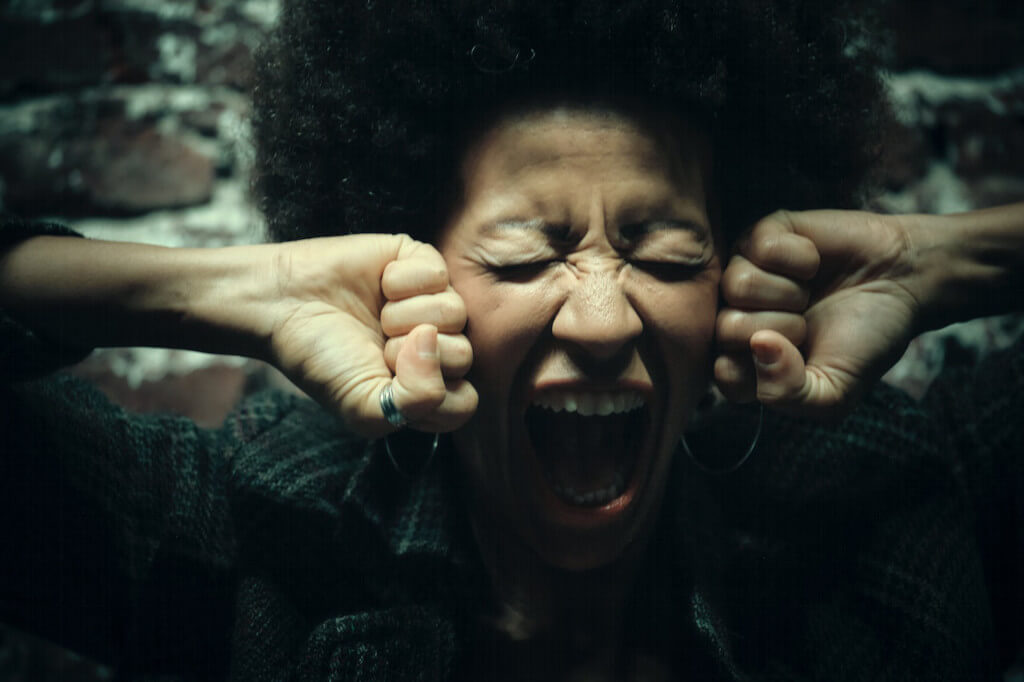

He walks into the room wearing a decent shirt and saying all the right things, but the cuffs are frayed, the shoes are tired, his shoulders are folded in on themselves, and his face looks like he already lost the argument before it started. Nobody announces the verdict. They just make it.
That is the uncomfortable truth people try to talk themselves out of. By the time you have explained your degree, your personality, your sense of humour, or your values, people have already read your posture, your grooming, your clothes, your face, and the way you carry your own energy. In South African offices, date spots, malls, and social circles, that silent reading is not a side issue. It is the first gate.
The room decides fast
A first impression is not a slow, thoughtful opinion. It lands in a flash, often before your mouth gets a chance to catch up. People notice whether you stand tall or fold into yourself, whether your clothes look intentional or grabbed in a hurry, whether your hair, nails, teeth, and skin suggest care or neglect, whether your face looks open or defensive.
A calm posture tends to read as confidence and ease. A hunched back, crossed arms, and restless movement often get translated as nervousness, doubt, or even disinterest. Eye contact matters too. Too little looks slippery. Too much looks like a challenge. The sweet spot says, without words, that you are present and steady.
Facial expression carries an unfair amount of power. A warm smile makes people relax around you. A tense mouth, a blank stare, or a permanently irritated look can make even good-looking people seem cold, difficult, or self-absorbed.
Clothes speak before you do
Clothing is not just fabric. It broadcasts status, discipline, ambition, taste, and how seriously you take yourself. A clean, well-fitting shirt tells a different story from an expensive shirt that pulls at the buttons or hangs badly off the shoulders. A neat, consistent look will beat a flashy, confused one almost every time.
South African culture understands this more honestly than people admit. Presentation still shapes how you are treated, whether you are at a job interview in Sandton, a client meeting in Cape Town, a family event in Durban, or a casual night out in Pretoria. People pretend they are above that. Then they quietly favour the person who looks sorted.
The point is not to dress like a billboard. The point is to look put together. Fit matters. Cleanliness matters. Colour coordination matters. Consistency matters. Someone can be attractive and still look messy, chaotic, or careless. Someone else can be less naturally striking and still look polished, composed, and expensive because every detail agrees with the next one.
Confidence has a type
A lot of people confuse confidence with noise. They picture the loud one, the dominant one, the person who talks over others and fills every silence. That is not real confidence. That is often insecurity with better packaging.
The kind of confidence that changes how people treat you is quieter. It is measured. It does not scramble for attention. It sits upright, speaks clearly, does not rush to prove itself, and does not fall apart when the room does not immediately applaud. Emotional control is a bigger social asset than swagger. So is timing. So is the ability to stay composed when you are not being chosen first.
That is why some people become magnetic before they are conventionally attractive. Voice, body language, humour, pacing, and emotional steadiness can make an average-looking person unforgettable. A beautiful person who is anxious, scattered, or awkwardly needy can disappear in minutes.
Workplaces still judge the uniform you pretend does not exist
Modern offices love to talk about individuality, casual dress, and relaxed culture. Fine. The invisible rules are still there.
People in South African workplaces are constantly reading grooming, posture, tone, and presentation. It affects trust. It affects leadership potential. It affects who looks ready for client-facing work and who looks like they need supervision. Promotions do not always go to the most capable person on paper. They often go to the person who looks calm under pressure, looks comfortable in their skin, and looks like they understand the room they are in.
That is why a polished employee gets treated differently from a merely talented one. Clean shoes, fresh hair, good posture, a tidy beard or neat makeup, and clothes that fit properly can shift how colleagues interpret competence. People call it professionalism when they like the result. They call it superficial only when they do not want to admit how much it matters.
Dating starts before the date
If you think attraction begins when you sit down at the restaurant, you are already behind.
People arrive on dates carrying their grooming, their routines, their emotional life, their self-image, and their habits around sleep, stress, and self-respect. A person who has not been taking care of themselves rarely becomes magnetic in the glow of a candle and a menu. The date exposes what was already there.
Preparation matters because it shows you respect the moment and yourself. Clean clothes, clean nails, a decent scent, tidy hair, and a calm manner do more than make you look attractive. They signal that you have a life with some order in it. That is appealing. So is a voice that is relaxed instead of frantic, and conversation that lands with ease instead of apology.
A dating profile can be filtered, cropped, and curated. An actual meeting cannot. The body tells the truth quickly.
Comfort can slide into neglect
There is a difference between feeling relaxed and giving up on your presentation. People cross that line slowly, then act surprised when they start feeling less visible, less desired, and less respected.
When the routine slips, the environment usually follows. Clothes pile up. Hair gets ignored. Shoes stay battered. The room gets scruffier. Then the mood changes, then the posture changes, then the self-respect takes a hit. That drift affects relationships, work, and confidence in ways people usually notice only after the damage is already visible.
Pride in appearance is not vanity. It is maintenance. It is the daily decision not to present yourself as someone who has checked out.
Why people deny all this
Some people reject the importance of appearance because it feels unfair. Others do it because admitting the truth would mean changing habits they have been excusing for years. If you tell yourself looks do not matter, you never have to confront the fact that grooming, clothing, posture, and self-presentation are part of the social game whether you like it or not.
That denial is comforting. It also leaves you underread.
People do not wait for your character to unfold before they decide how to treat you. They take in your face, your frame, your clothes, your expression, and your energy, then build a story from there. If you want a better story told about you, start before you speak.